
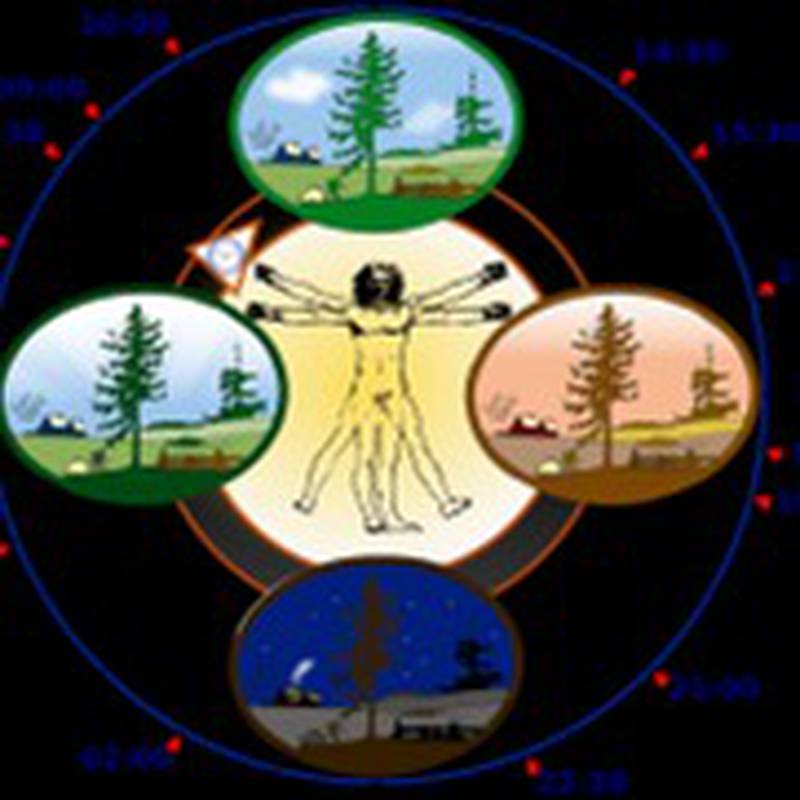
Circadian Rhythm Disorders
Disruptions in rhythmic cues may lead to a variety of disorders and contribute towards other diseases. This course explores the nature and prevention of such circadian rhythm disorders.

KISS DU
Tags
Course Description
Circadian rhythms, and circadian rhythm disorders, comprise a vast body of interdisciplinary knowledge that has recently seen many updates and new information.
Social paradigms, mores, and healthcare strategies that exist today make circadian rhythm disorders a topic worthy of interest. This course is meant to discuss a limited amount of information with students and discerning learners. It aims to impart sufficient understanding to the reader to prepare him or her for further studies in the subject.
An attempt has been made to keep the language conversational, interactive, and easy to understand. Technical jargon has been avoided to the extent possible. A few thought-provoking questions have been asked of the student in this course, within the text material. The student is expected to jot down or type their views and conclusions and upload a PDF file of their answers. The aim of asking these questions is to encourage the student to ask more questions via the MOOC platform or the email address provided.
The student must remember that billions of rupees, dollars, pounds, and euros are spent worldwide to either treat or compensate for issues caused by circadian rhythm disorders. Many companies supply over-the-counter, clinically untested but possibly potent combinations of substances packaged as “sleep aids” and “health drinks” claiming to cure circadian rhythm disorders. The student must also understand that administration of any agent capable of modifying the circadian rhythm has to be precisely timed to avoid undesirable effects, and that too after careful monitoring of the patient with sophisticated instruments on an individual basis.
It is currently understood that circadian rhythm disorders have great scope for research at the basic, preclinical and clinical levels, and that proteomic, metabolomic, and transcriptomic studies offer deeper insight into what goes on in the body in circadian rhythm disorders. Studying circadian rhythm disorders helps us understand how our complex neuroendocrine signalling mechanisms interact with the external environment, and how timed behavioural and pharmaceutical interventions can help correct various medical conditions with circadian correlates.
Questions and comments: [email protected]
Units

Unit 1
CIRCADIAN RHYTHMS
This unit describes circadian rhythms and clock genes, and explains how the circadian clock works
Unit 2
Circadian Rhythm Disorders - ASPS, DSPS, non-24 hour sleep-wake disorder
This unit describes advanced and delayed sleep-phase disorders/ syndromes, and explains how these affect us. The section also deals with non-24 sleep-wake disorder.
Unit 3
Jet Lag, Shift work, and treatment of CRDs
This unit describes jet lag, shift work and diseases correlated with circadian rhythm disruption. It aslo discusses possible ways to treat CRDs